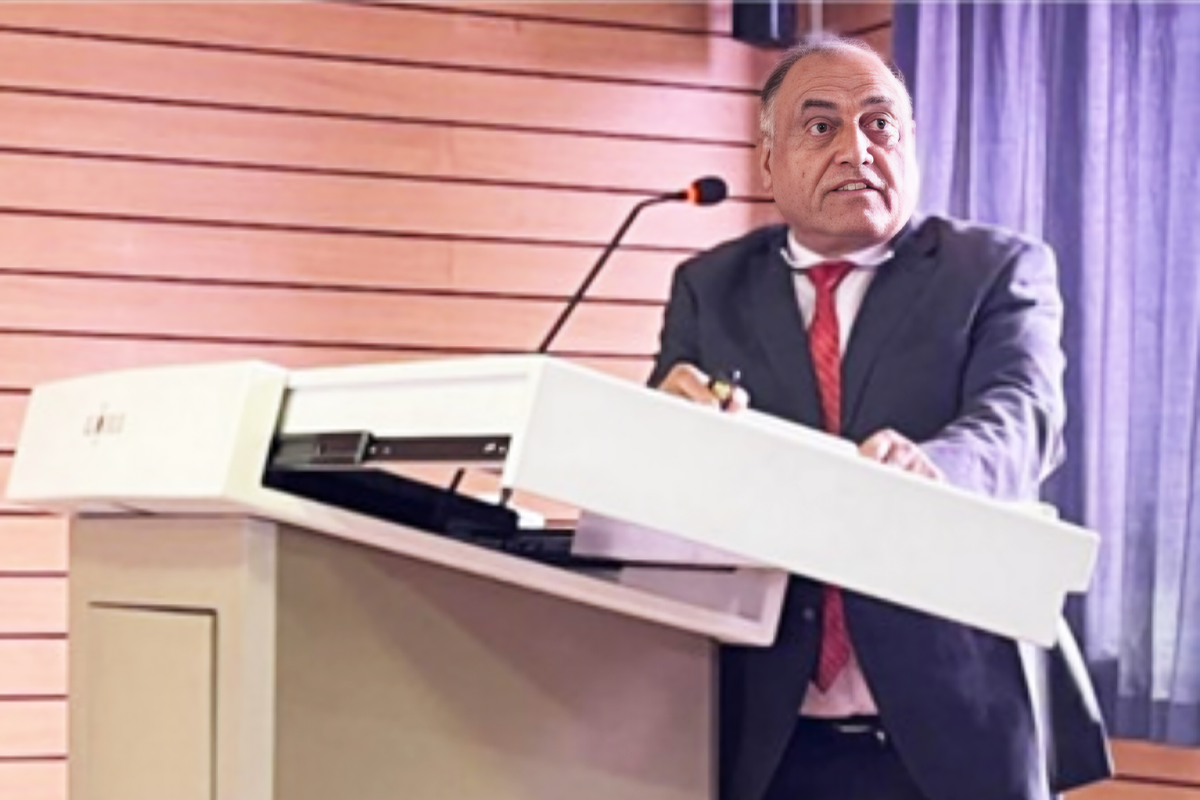
Our Seminar & Webinar Events
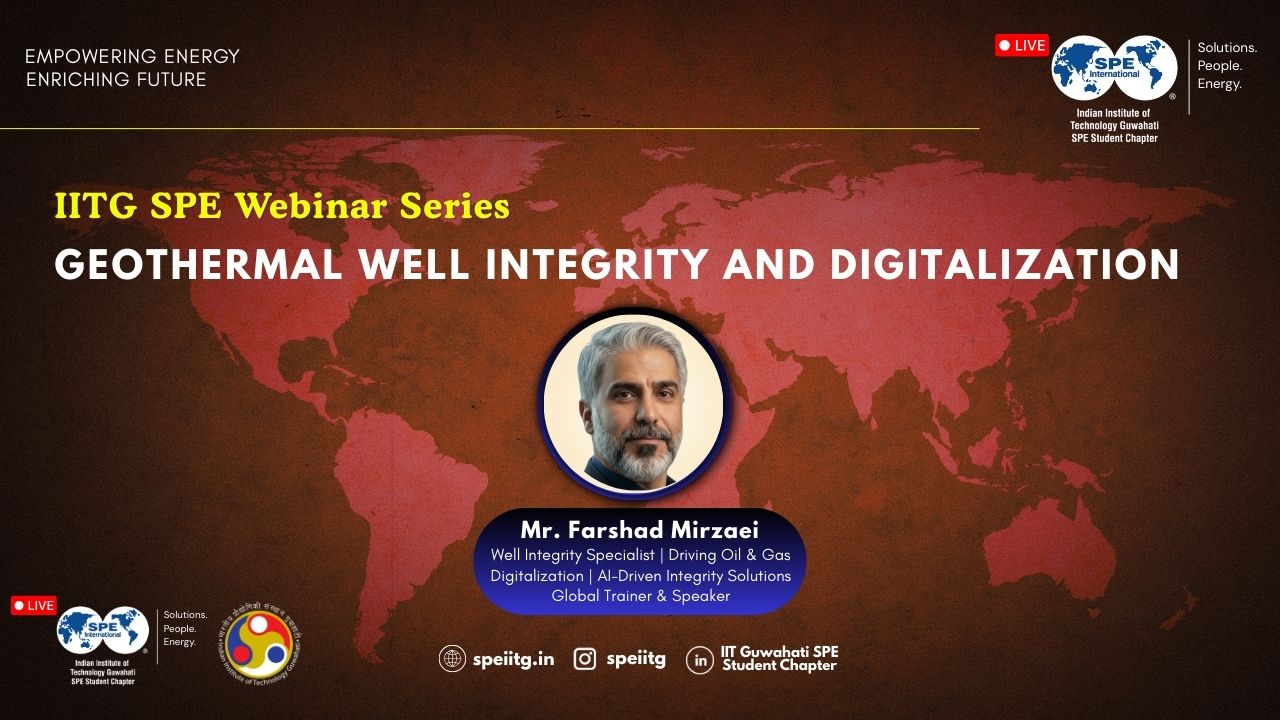
Geothermal Well Integrity & Digitalization
Organized by the IIT Guwahati SPE Student Chapter, this webinar explored geothermal energy as a critical pillar of the global clean-energy transition. The session highlighted why well integrity—ensuring safety, performance, and environmental protection across a well’s entire lifecycle—is far more challenging in geothermal systems than in conventional oil and gas operations.
Key discussions covered extreme temperature cycling (400–600°C), long-term material degradation, absence of global geothermal integrity standards, and how digitalization and AI-driven monitoring can enable proactive integrity management and early anomaly detection.
Speaker: Mr. Farshad Mirzaei — Global trainer and well-integrity specialist with extensive experience in oil, gas, and geothermal digitalization.
▶️ Watch Webinar Recording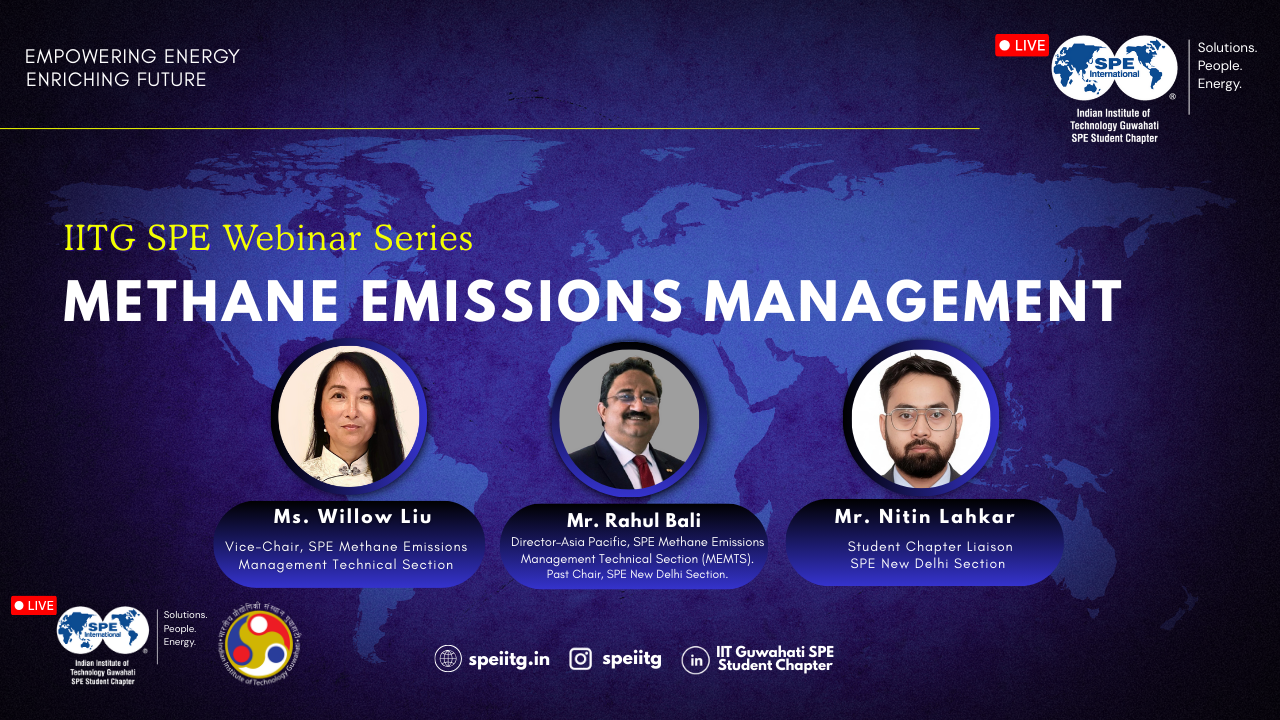
Why Methane Emissions Management Is the Climate Solution Hiding in Plain Sight
The IIT Guwahati SPE Student Chapter, in collaboration with the SPE New Delhi Section and the SPE Methane Emissions Management Technical Section (MEMTS), hosted a landmark webinar on methane emissions management. This historic first-time collaboration brought together global experts to reframe methane mitigation as one of the fastest and most impactful climate actions available today.
Distinguished speakers Willow Z. Liu (Vice-Chair, SPE MEMTS), Rahul Bali (Regional Director APAC, SPE MEMTS), and Nitin Lahkar (Student Chapter Liaison, SPE New Delhi Section) highlighted methane’s outsized climate impact—being nearly 28 times more potent than CO₂—and its short atmospheric lifetime, making rapid reductions uniquely effective.
- Methane’s role as the fastest lever for near-term climate mitigation
- Global and Indian methane emission sources across sectors
- Regulatory momentum including the Global Methane Pledge and OGMP 2.0
- Detection technologies: satellites, aerial surveys, and ground sensors
- Economics of LDAR, vapor recovery, and low-cost mitigation measures
The webinar showcased rapid advancements in detection technologies—from satellite systems like GHGSat and TROPOMI to drone-based surveys and handheld optical gas imaging cameras—dramatically improving transparency and accountability. Speakers also emphasized that many methane reductions are achievable through practical, low-cost fixes that often pay for themselves.
A key takeaway was that the biggest barrier to methane mitigation is not technology, but organizational culture. Embedding methane management into routine operations—much like safety culture—was identified as essential for sustained impact. The session concluded with a strong call for students and young professionals to engage early in this rapidly growing field.
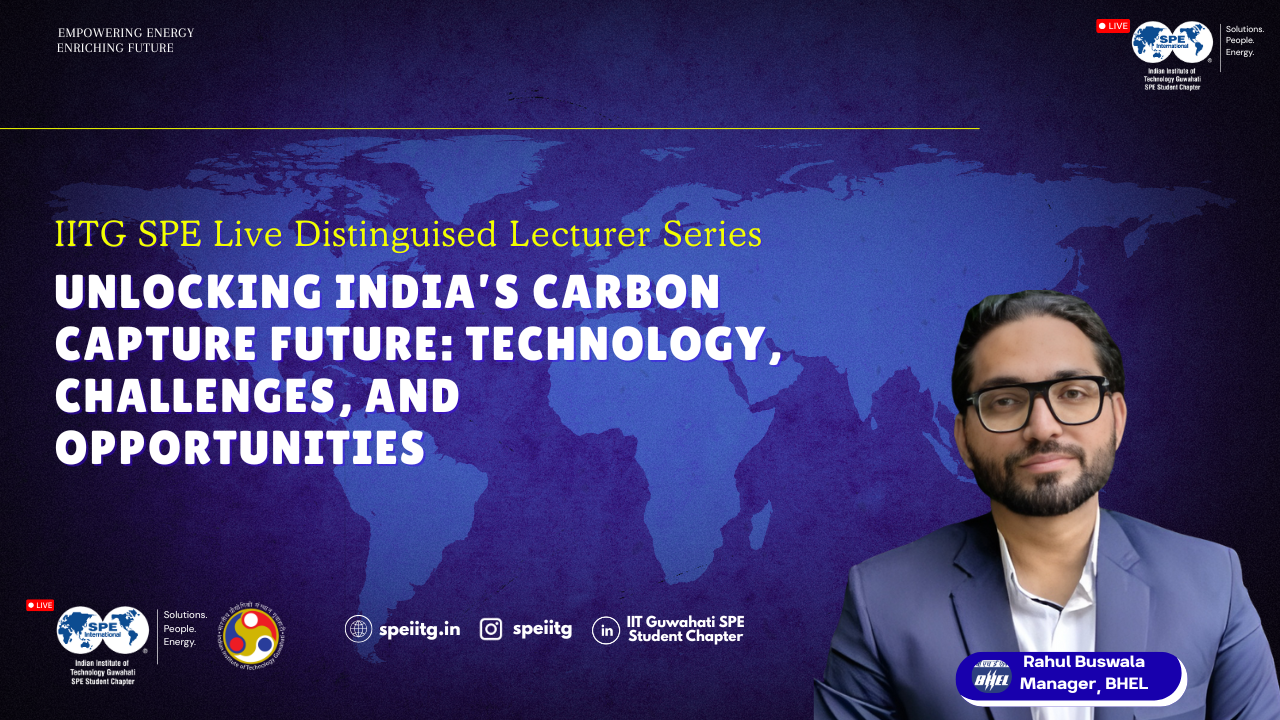
Unlocking India’s Carbon Capture Future: Technology, Challenges, and Opportunities
The IIT Guwahati SPE Student Chapter hosted an in-depth webinar on India’s journey toward carbon neutrality, featuring Mr. Rahul Buswala. The session explored the critical role of Carbon Capture, Utilization, and Storage (CCUS) in decarbonizing hard-to-abate industries such as steel, cement, refineries, and power generation.
The discussion emphasized that while renewable energy can decarbonize electricity, it alone cannot address industrial emissions. CCUS was highlighted as an indispensable bridge between industrial growth and climate responsibility, aligning with India’s net-zero target by 2070.
- Why CCUS is critical for India’s energy and industrial landscape
- Post-combustion capture as the most feasible near-term solution
- Amine-based solvent systems and their working principles
- CO₂ utilization pathways: fuels, chemicals, mineralization, and EOR
- Technical and economic challenges in large-scale deployment
The session also addressed real-world hurdles such as high energy demand, solvent degradation, corrosion, and the lack of immediate utilization markets. Despite these challenges, India has made early progress through pilot plants at NTPC, Tata Steel, and Tuticorin Alkali Chemicals, along with growing support from government initiatives and academic R&D.
Concluding on an optimistic note, the speaker emphasized that CCUS is not merely a climate solution but a strategic opportunity—driving innovation, energy security, and industrial competitiveness. The webinar inspired students to explore careers at the intersection of process engineering, digital technology, and sustainability.
Energy Transition and Career Opportunities at NET Enterprise Pvt. Ltd.
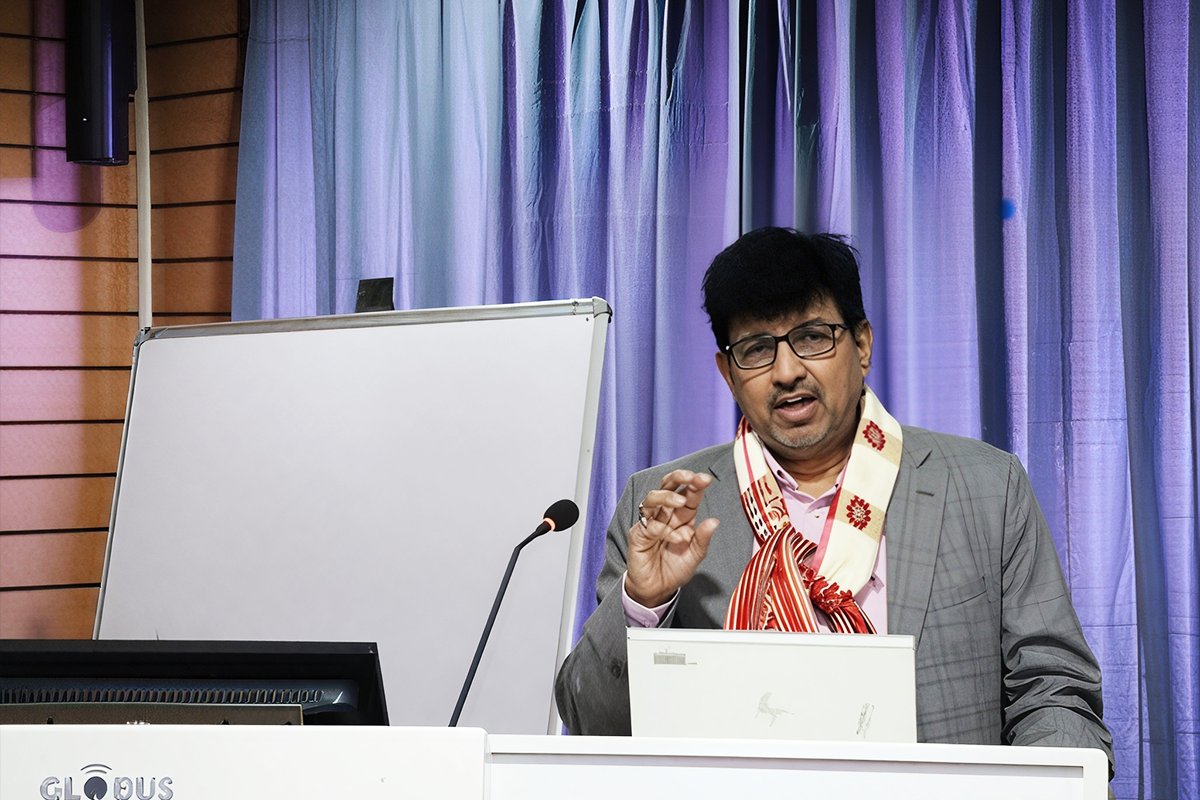
The IITG SPE Student Chapter organized an interactive session on 3rd August 2024, featuring Mr. Baroruchi Mishra, Partner and Group CEO of NET Enterprise Group. The session centered around the global energy transition and the career opportunities emerging within the evolving energy landscape.
Mr. Mishra shared valuable insights into the challenges and opportunities of transitioning to low-carbon energy systems, emphasizing the critical role of technology, entrepreneurship, and policy frameworks in shaping the future of the sector. He highlighted NET Enterprise Group's contributions toward sustainable energy practices and discussed the growing need for skilled professionals who can navigate both traditional petroleum engineering and emerging clean energy domains.
- Global energy transition trends and implications
- Career pathways in sustainable energy enterprises
- Integration of traditional and renewable energy expertise
- NET Enterprise Group's innovative approaches
- Skills required for success in evolving energy sector
The interactive nature of the session allowed students to engage in open discussions with the speaker, gaining clarity on career pathways, industry expectations, and skill sets required to thrive in the dynamic energy sector. The talk not only shed light on the global shift toward sustainability but also inspired participants to explore opportunities where engineering expertise meets energy innovation.
The IITG SPE Student Chapter was privileged to host this session and continues to provide its members with platforms to connect with industry leaders, broaden their horizons, and prepare for impactful careers in the energy transition era.
Reservoir Development Planning: Strategies and Methodologies
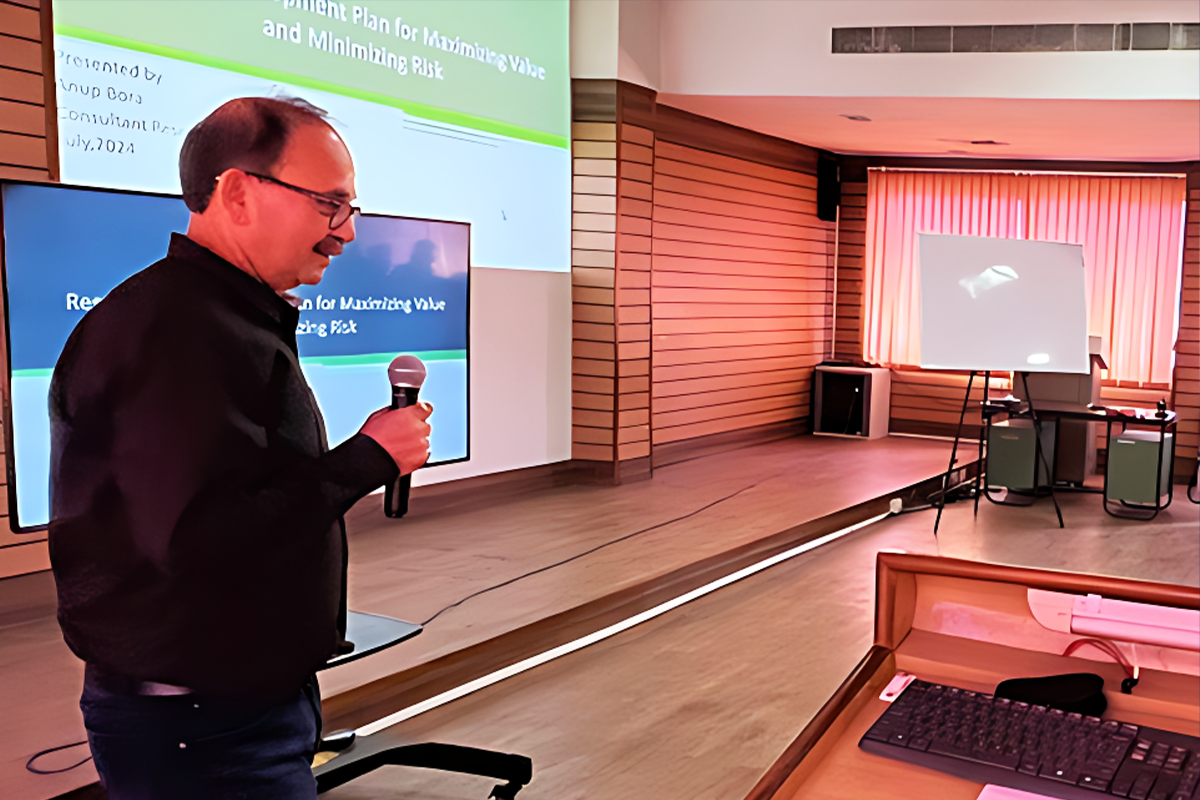
The IITG SPE Student Chapter was privileged to host an insightful seminar on 29th July 2024, featuring Mr. Anup Bora, Consulting Reservoir Engineer at Kuwait Oil Company. The seminar focused on Reservoir Development Planning (RDP), providing participants with a comprehensive understanding of strategies and methodologies used to optimize reservoir performance and production.
Mr. Bora shared his extensive experience in reservoir evaluation, well placement, production optimization, and field development strategies, highlighting how integrated planning ensures maximum recovery while maintaining operational efficiency. The session emphasized the importance of data-driven decision-making, simulation tools, and collaborative reservoir management in modern petroleum engineering projects.
- Comprehensive reservoir evaluation techniques
- Strategic well placement and production optimization
- Field development planning methodologies
- Data-driven decision-making in reservoir management
- Integration of simulation tools in development planning
Attendees gained valuable insights into practical challenges, industry best practices, and innovative approaches for developing and managing oil and gas reservoirs. The seminar also offered students an opportunity to interact directly with an industry expert, bridging the gap between academic learning and real-world applications in the petroleum sector.
This session reinforced the importance of systematic reservoir development planning in maximizing resource recovery while ensuring economic viability and operational efficiency in petroleum projects.
Dynamic Reservoir Simulation: Techniques and Applications
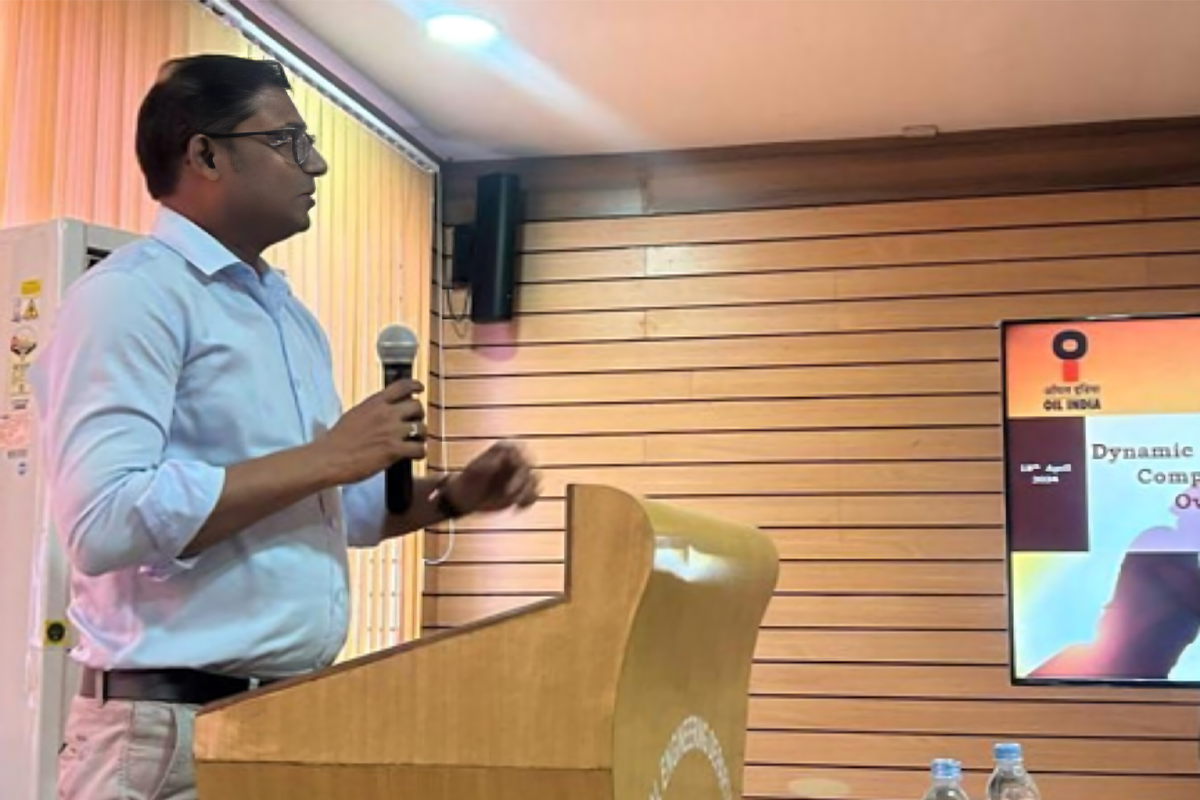
The IITG SPE Student Chapter was privileged to host an insightful industry talk on 18th April 2024, featuring Mr. Pankaj Kumar, Deputy Chief Engineer at the Centre of Excellence for Energy Studies, Oil India Limited. The session focused on dynamic reservoir simulation, highlighting its importance in understanding reservoir behavior and optimizing production.
Mr. Kumar shared his extensive expertise on modern simulation techniques, emphasizing the integration of real-time field data, reservoir modeling, and predictive analytics to enhance reservoir performance and management. The talk provided participants with practical insights into simulation workflows, challenges in reservoir characterization, and strategies for improved recovery.
- Advanced reservoir simulation methodologies
- Integration of real-time field data in modeling
- Predictive analytics for reservoir performance
- Challenges in reservoir characterization
- Strategies for enhanced recovery optimization
The session offered students a unique opportunity to bridge academic knowledge with industry practices, fostering a deeper understanding of how advanced reservoir simulation tools are applied in real-world petroleum operations. Participants actively engaged with the speaker, discussing current trends, challenges, and innovations in the field.
The IITG SPE Student Chapter was privileged to host this talk and remains committed to providing students with platforms to learn from industry experts, enhance technical knowledge, and explore career opportunities in the petroleum and energy sector.
Energy Transition and its Impact on Petrochemical Industries
The IITG SPE Student Chapter organized an insightful SPE Distinguished Lecture on 23rd February 2023, delivered by Dr. Rakesh Kumar Vij, Director of PDEU and former ONGC executive. The lecture focused on the theme of energy transition and its far-reaching implications for the petrochemical industries.
Dr. Vij highlighted the drivers of energy transition, including climate goals, policy shifts, and technological innovation, and examined their direct and indirect impacts on the petrochemical value chain. He discussed the challenges faced by the industry in terms of sustainability, decarbonization, and operational efficiency, while also outlining emerging opportunities in cleaner fuels, renewable integration, and circular economy practices.
- Global energy transition drivers and implications
- Impact on petrochemical value chain and operations
- Sustainability challenges and decarbonization strategies
- Emerging opportunities in cleaner fuel technologies
- Circular economy practices in petrochemical sector
The session gave students and researchers a comprehensive understanding of how the petrochemical sector is adapting to changing energy paradigms and the critical role that innovation, policy alignment, and skilled professionals will play in ensuring its sustainable growth. Participants actively engaged with Dr. Vij during the interactive Q&A, gaining clarity on both technical and career-related aspects in the evolving energy landscape.
The IITG SPE Student Chapter was privileged to host this distinguished lecture and remains committed to creating opportunities for students to learn from leaders in industry and academia, building bridges between theoretical knowledge and practical applications in the energy sector.